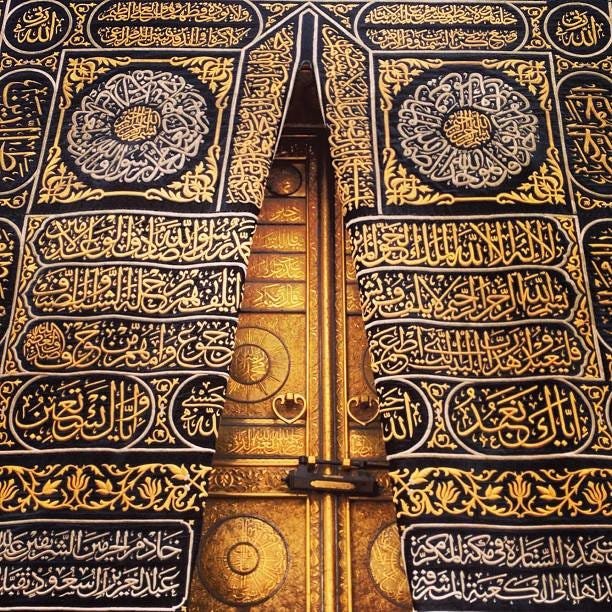
Hajj holds deep historical significance in Islam, dating back to the time of Prophet Ibrahim (Abraham) and his family. According to Islamic tradition, Ibrahim and his son Isma’il (Ishmael) were commanded by God to construct the Kaaba, the sacred structure located in Mecca. After completing the construction, Ibrahim was instructed by God to call people to perform a pilgrimage to the Kaaba. Over time, Hajj became an integral part of Islamic practice, symbolizing the unity of the Muslim community and commemorating the faith and obedience of Ibrahim and his family. Additionally, the stoning of the devil at the Jamarat pillars commemorates Ibrahim’s rejection of Satan’s temptations during his journey.
Throughout history, Hajj has served as a unifying force among Muslims, bringing together people from diverse backgrounds and regions to fulfill their religious obligations and strengthen their faith. The rituals of Hajj continue to be performed by millions of Muslims annually, preserving the traditions established by Ibrahim and enriching the spiritual heritage of Islam.